
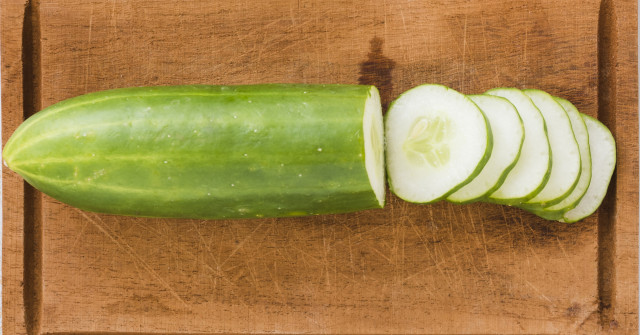
Cucumber
Origin of the word
The word cucumber comes from Greek, and its literal meaning is "apple melon."
Its scientific name – Cucumis sativus.
The cucumber originated in India about 4,000 years ago, where it was domesticated. Through various traders and conquerors it spread to ancient Greece, Rome, Europe, the New World and China, and became one of the most common vegetables in the entire world.
Until the early 1990s, cucumber growing ran from autumn through the spring and summer months. Today standard cucumbers can be bought year-round, grown in greenhouses or by various varieties, according to the season. The classic cucumber season is spring and summer, because the cucumber loves high temperatures.
The fresh taste of the cucumber comes from special compounds it contains, found in its close relative, the melon. They peak right after picking, and to preserve its flavor it is actually not recommended to keep the cucumber in the refrigerator, but at room temperature. Of course, outside the refrigerator it will last much less time – the question is whether you prefer flavor or shelf life.
If you store cucumbers in the refrigerator, it is preferable to wrap them in a slightly damp kitchen towel, or in a dry paper towel.
Tomatoes emit a gas that speeds up the rotting process of cucumbers, so it is advisable to keep them separate during storage.
It is best not to peel it: the skin is rich in vitamins and minerals. On the other hand, with non-organic cucumbers, the skin may be exposed to large amounts of spray residues.
Around the world there are many varieties of cucumbers, but most cannot be found in Israel. Throughout the seasons the varieties in the markets change, but they are relatively uniform in appearance and taste, so the consumer hardly distinguishes between them. Besides this, organic cucumbers can be found in markets, which are richer in flavor. Also common today are "flavor cucumbers", which are small baby cucumbers with concentrated taste.
Pakus – this is an Arab cucumber, which resembles a zucchini in shape, but is actually a kind of cross between a zucchini and a cucumber. It is very pale, elongated, thicker and fleshier than the regular cucumber. Its season is short, from early spring to early summer.
The most common way to eat a cucumber is raw in a salad, or pickled in salt or vinegar.
The Chinese have been stir-frying cucumbers for thousands of years. In a traditional Chinese recipe, the cucumber is cut in half and hollowed out. Then it is sliced into long diagonal strips and quickly stir-fried in hot oil with garlic, hot pepper, vinegar, soy sauce and sugar. This stir-frying should be quick, so as not to overcook the cucumber. A little sesame oil is drizzled on, and it is served immediately.
The Recipeat app
All the community's recipes in your pocket. Available now on Android.
Get it on Google PlayWant an email when a new recipe is posted?
Recently viewed recipes

About us
Recipeat is a social recipe site. It holds the recipes we all share, and every recipe you add goes straight into your own recipe book.
Read moreMeasurement converter
|
Ingredient |
Cup |
Tablespoon |
Teaspoon |
|---|---|---|---|
|
Powdered sugar |
120 g |
8 g |
3 g |
|
Chopped nuts |
100 g |
6 g |
|
|
Finely ground nuts |
85 g |
|
|
|
Rice |
200 g |
|
|
|
Honey |
360 g |
22 g |
7 g |
|
Butter Melted butter |
240 g |
15 g 14 g |
|
|
Peanut butter |
250 g |
|
|
|
Raw tahini |
240 g |
|
|
|
Salt |
250 g |
20 g |
6 g |
|
Maple syrup |
240 g |
|
|
|
Liquids Water, orange juice, milk |
240 g 240 ml |
15 g 15 ml |
|
|
Nutella |
280 g |
|
|
|
White sugar |
200 g |
12 g |
4 g |
|
Packed brown sugar |
240 g |
15 g |
5 g |
|
Semolina |
200 g |
10 g |
|
|
Can of condensed milk |
398 g |
|
|
|
Can of coconut milk |
400 g |
|
|
|
Cookie crumbs |
110 g |
|
|
|
Dry breadcrumbs |
125 g |
|
|
|
Chopped dried fruit |
150 g |
|
|
|
Ground poppy seeds |
70 g |
|
|
|
Coconut |
100 g |
|
|
|
Cornstarch |
140 g |
10 g |
|
|
White flour |
140 g |
10 g |
|
|
Whole wheat flour |
125 g |
8 g |
|
|
Cocoa |
140 g |
10 g |
|
|
Jam |
330 g |
|
|
|
Dulce de leche |
400 g |
|
|
|
Chocolate chips |
200 g |
|
|
|
Oats |
100 g |
|
|
|
Oil |
200 g |
|
|
|
Coconut oil solid melted |
|
14 g 14 g |
|
|
Oven temperatures Description |
Gas mark |
Celsius |
Fahrenheit |
|
Very low heat |
105 |
220 |
|
|
120 |
250 |
||
|
Low heat |
1 |
135 |
275 |
|
2 |
150 |
300 |
|
|
Medium-low |
3 |
160 |
320 |
|
Medium |
3 |
170 |
340 |
|
Medium |
4 |
180 |
355 |
|
5 |
190 |
375 |
|
|
Medium-high |
6 |
200 |
390 |
|
High |
7 |
220 |
430 |
|
8 |
230 |
445 |
|
|
Very high |
9 |
245 |
475 |
50 g fresh yeast (a "Shimrit" packet / cube) = 2 tablespoons dry
yeast. 1 tablespoon dry yeast = 10 g
To replace dry yeast with fresh yeast, multiply the amount by 3
1 g dry yeast = 3 g fresh yeast
Packet = 10 g
Tablespoon = 8 g
Teaspoon = 3 g
Gelatin packet = 14 g
Tablespoon of gelatin = 10 g
One gelatin sheet = 4 g
Gelatin packet = 3½ gelatin sheets
To dissolve 1 g of gelatin use 5 g
Egg size 1 (L) – 65 g and over
Egg size 2 (M) – 55-60 g
Egg size 3 (S) – 50 g
Egg white – 40 g on average
Egg yolk – 20 g on average
The oil should weigh 85% of the butter's weight
100 g butter = 85 g oil
200 g butter = 170 g oil
1 cup oil = 200 g
100 ml oil = 90 g
100 g butter = 100 g applesauce
100 ml oil = 100 ml applesauce
Replacing eggs with applesauce
1 egg = 60 g applesauce
Butter stick = 120 g, ½ cup
8 oz = 1 cup = 240 ml = 16 tablespoons
4 oz = ½ cup = 120 ml = 8 tablespoons.
2 oz = ¼ cup = 60 ml = 4 tablespoons.
1 oz = 2 tablespoons = 30 ml = ⅛ cup.
½ oz = 1 tablespoon = 15 ml = 3 teaspoons.
0.16 oz = 1 teaspoon = 5 ml = ⅓ tablespoon
1 pint = 480 ml = 2 cups.
1 quart = 960 ml = 4 cups.
A small package weighs 350 g
1 cup self-rising flour = 1 cup plain flour + 1 teaspoon baking powder
1 kg self-rising flour = 1 kg plain flour + 2 packets of baking powder